Robotaxi BLOCKS Ambulance: Is your SAFETY at risk?
The National Highway Traffic Safety Administration (NHTSA) is scrutinizing robotaxi safety, documenting multiple instances of autonomous vehicles driving into active emergency scenes and blocking first responders. NHTSA states an AV that cannot safely interact with first responders poses a danger to the public. They will meet with robotaxi developers this month to discuss solutions.
NEWYou can now listen to Fox News articles!
The Detroit, Michigan, metro area is reporting an uptick in serious incidents related to electric bikes (e-bikes).
Fox 2 Detroit reported that police are seeing a rise in e-bike crashes, while doctors say they’re treating a growing number of related injuries.
These incidents have reportedly led some communities to seek restrictions on e-bikes or to ban them altogether.
SHARON STONE’S TERRIFYING WEED WITHDRAWAL SPARKS WARNING ABOUT TODAY’S POTENT MARIJUANA
Some e-bikes can reach speeds of up to 28 miles per hour, increasing the potential severity of crashes on sidewalks and streets.
Fox 2 Detroit spoke with emergency room doctor Robert Sherwin of the Detroit Medical Center, who reported seeing everything from minor injuries to major trauma related to e-bike incidents.
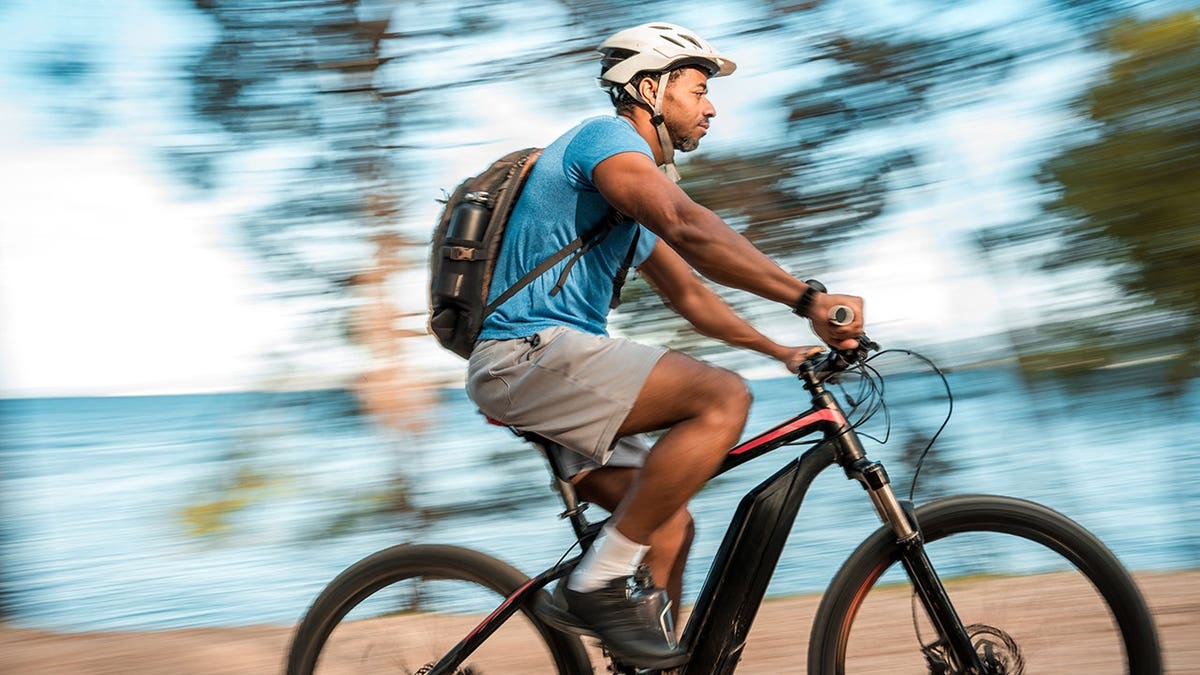
Police are reportedly seeing a rise in e-bike crashes, while doctors say they’re treating a growing number of related injuries. (iStock)
“These Class 3 bikes are probably more like motor vehicles,” he said. “They travel up to 28 miles an hour, and a lot of riders aren’t expecting that, might not be experienced in that.”
“These e-bikes are heavier than regular bikes, and they travel much faster, but the human body doesn’t change just because a bike has a motor.”
CLICK HERE TO SIGN UP FOR OUR HEALTH NEWSLETTER
Fox 2 Detroit also spoke with local bike shop owner John Hughes, who suggested the “real issue” has always been sharing the road with cars.
“Cars aren’t looking out for bikes … people don’t respect bikes as a form of transportation, and that’s where it gets dangerous.”
Hughes continued, “There’s a ton of traffic out there. Everyone is on their cell phones. They’re texting and driving constantly.”

E-bike rider Cam Cason told Fox 2 Detroit that e-biking is “way better than a car.” (iStock)
E-bike rider Cam Cason told Fox 2 Detroit that he takes his e-bike to work and school, crediting it as a “very efficient way” to get around.
“Way better than a car, in my opinion,” he said. “When you don’t have to spend $30 or $40 just to get some gas, use the electric bike to get where you need to go.”
TOO MUCH SCREEN TIME MAY TRIGGER LASTING BRAIN DELAYS, TOP HEALTH OFFICIAL WARNS
As concerns over e-bike safety grow nationwide, states are beginning to tighten regulations. In New Jersey, a new law enacted this year requires e-bikes to be registered, and riders must be at least 15 years old and possess either a valid driver’s license or an e-bike license to operate one.
The law was enacted amid growing concerns about e-bike crashes, including the death of a New Jersey teenager. Supporters argued that licensing, helmet and registration requirements would promote responsible riding and reduce bodily harm.
CLICK HERE FOR MORE HEALTH STORIES
NYU Langone Health released an advisory in April on the surge in brain and spine injuries related to e-bikes and scooters among riders and pedestrians in New York City.
According to a study published in the journal Neurosurgery, medical emergencies involving pedal-powered and electric bikes and scooters accounted for nearly 7% of trauma patients admitted to NYC Health + Hospitals/Bellevue.
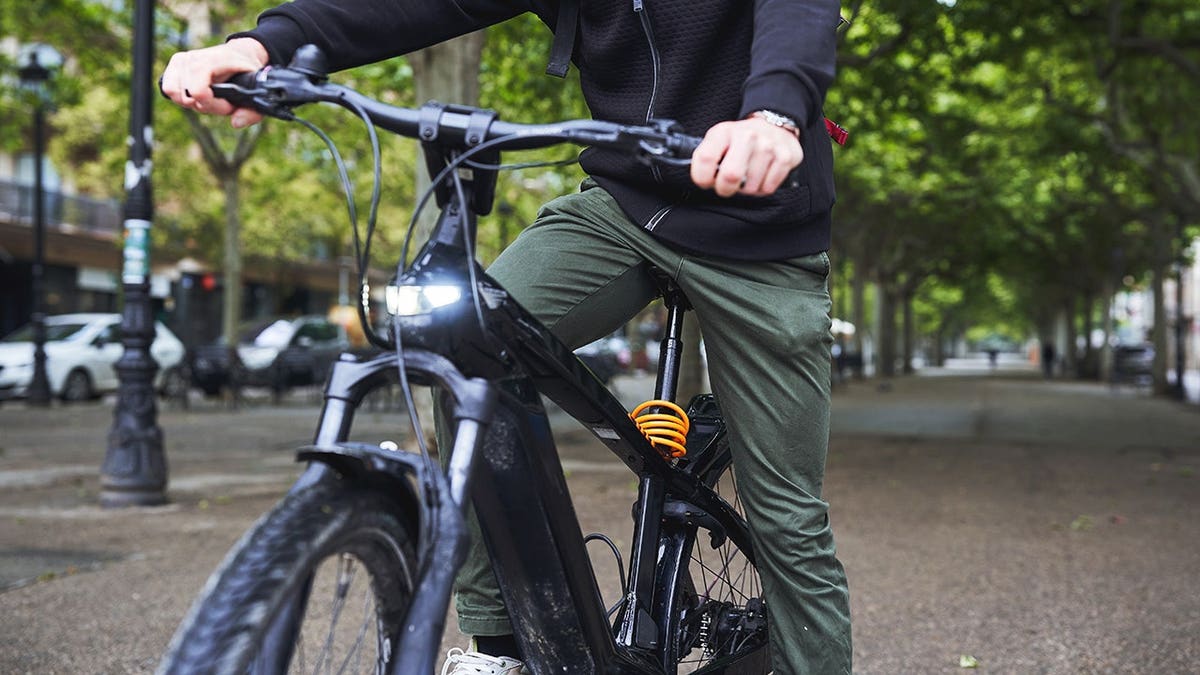
Trauma cases related to e-bikes seen in the emergency room increased from less than 10% in 2018 to more than 50% by 2023. (iStock)
One-third of the 914 patients treated for injuries involving pedal-powered and electric bikes and scooters suffered a traumatic brain injury. More than two-thirds required hospital admission and about 30% needed intensive care.
Physical harm linked to electric bikes and scooters increased from less than 10% of cases in 2018 to more than half by 2023, according to the study. The most common cause of injury, accounting for about half of all cases, was a collision with a car or truck.
“People don’t respect bikes as a form of transportation, and that’s where it gets dangerous.”
Fewer than one-third of riders wore helmets, which was linked to a “significantly higher rate” of brain and facial injuries. The study found that 20% of patients tested positive for alcohol, which was associated with more severe head trauma and lower rates of helmet use.
Pedestrians struck by electric vehicles suffered brain injuries at nearly twice the rate of riders, according to an analysis of 69 pedestrian cases.
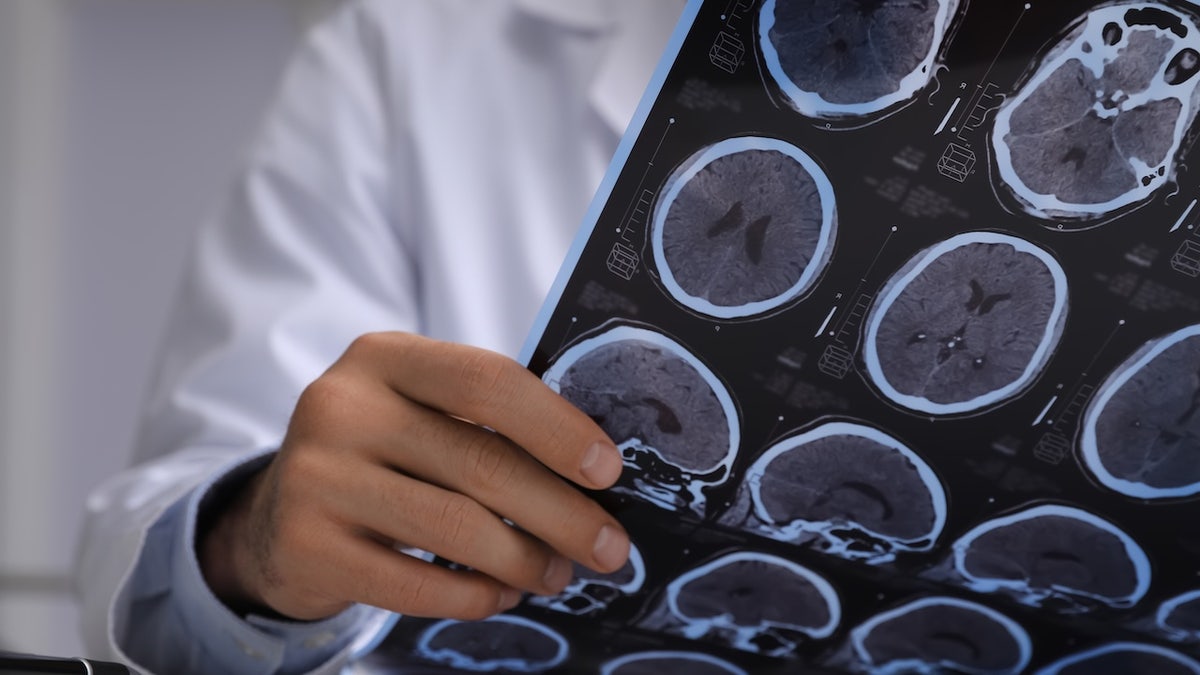
Pedestrians struck by electric vehicles suffered brain injuries at nearly double the rate of riders, researchers found. (iStock)
Corresponding author Hannah Weiss, MD, a resident in the Department of Neurosurgery at NYU Grossman School of Medicine, commented in a statement that these findings suggest “micromobility injuries are producing serious brain and spinal trauma that demands neurosurgical care at a scale we haven’t seen before.”
TEST YOURSELF WITH OUR LATEST LIFESTYLE QUIZ
“In a busy urban setting, we are seeing more and more of these injuries firsthand,” she went on. “The data point to actionable solutions – helmet use, safer bike lane design and enforcement – that could prevent many of these injuries and better protect both riders and pedestrians.”
CLICK HERE TO DOWNLOAD THE FOX NEWS APP
Paul P. Huang, MD, associate professor in the Department of Neurosurgery at NYU Grossman School of Medicine and chief of neurosurgery at NYC Health + Hospitals/Bellevue, added that the study highlights that “urban infrastructure must continue to improve to keep pace with the rapid rise of electric bikes and scooters.”
“Future studies should track these injuries across multiple cities and measure whether protected bike lanes, helmet programs and speed enforcement actually reduce the number of brain and spine surgeries we perform,” Huang said.